Understanding the Evolution of NIL for High School Athletes
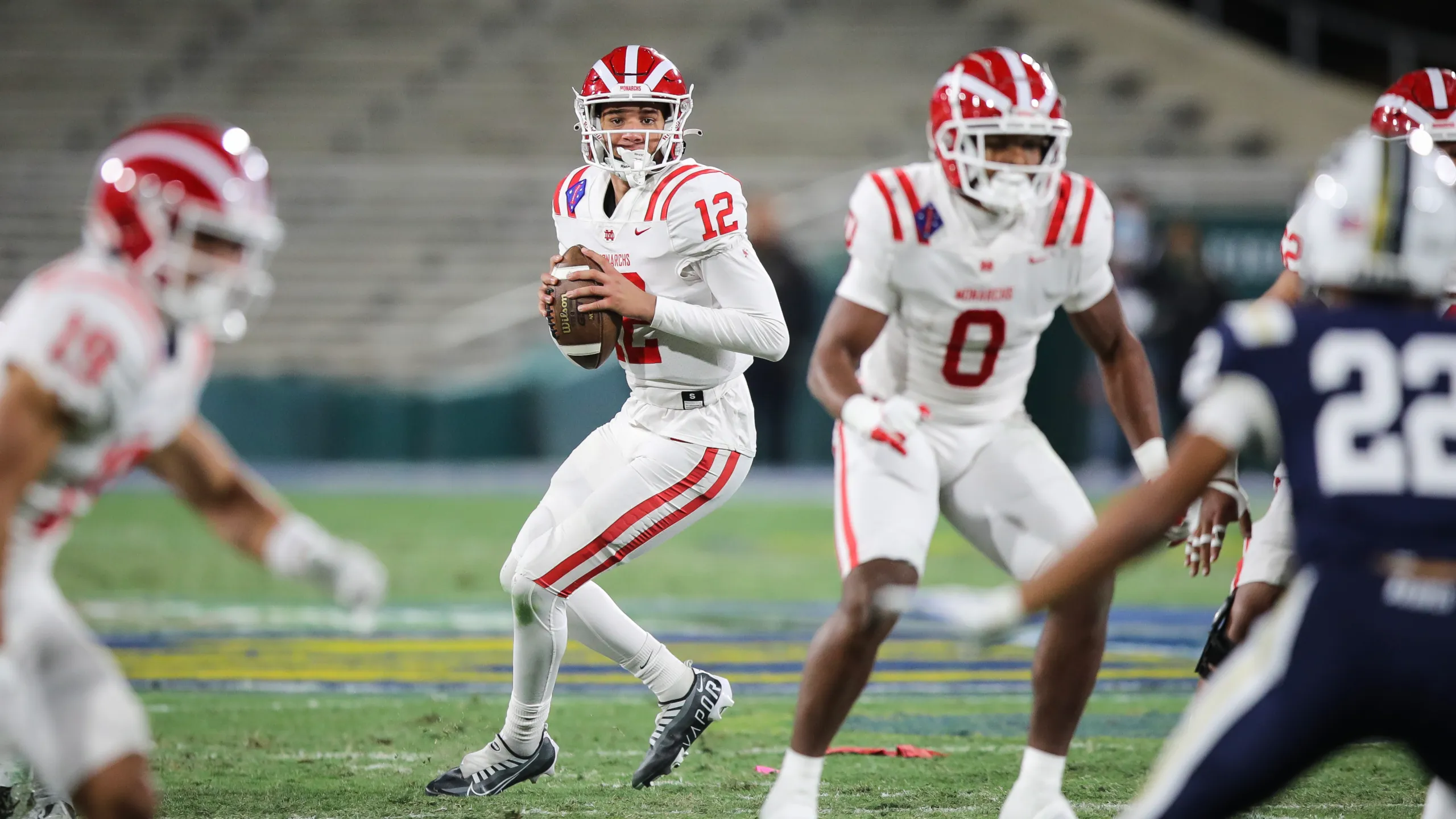
High school athletes must navigate a complex web of state and association rules to protect their eligibility while pursuing NIL deals.
The landscape of American amateur sports shifted fundamentally in July 2021 when the NCAA implemented its interim policy allowing college athletes to monetize their Name, Image, and Likeness (NIL). However, for the nation’s nearly eight million high school student-athletes, that revolution did not arrive as a single, unified wave. Instead, it has manifested as a complex, state-by-state "checkerboard of access," where a teenager’s earning potential is often determined more by their zip code than their talent on the field High School NIL: State Rules, Restrictions and Family Risks.
As we move through 2026, the high school NIL market has matured into a billion-dollar ecosystem, yet it remains fraught with risk. For families navigating this new frontier, the stakes are absolute: one unauthorized signature can permanently jeopardize a student-athlete’s eligibility to compete at both the high school and collegiate levels NIL Rules in 2026: Updated Guide for Athletes, Families, and Coaches.
The Fragmented Regulatory Landscape
Unlike the collegiate level, where the NCAA provides a baseline (albeit evolving) framework, high school NIL is governed by a patchwork of state laws and high school athletic association policies. According to NCSA College Recruiting, these regulations generally fall into three categories:
- Permitted: States like California, Florida, Ohio, and New York allow high school athletes to sign NIL deals while maintaining eligibility, provided they follow specific association guidelines. North Carolina joined this group recently, with public high school NIL becoming permanently legal on July 1, 2025 North Carolina NIL Laws Explained.
- Prohibited: In states such as Alabama, Mississippi, Texas, and Wyoming, any NIL compensation tied to athletic fame is considered a violation of amateur status, leading to immediate loss of eligibility State-by-State NIL Regulations for High School.
- Restricted/Mixed: Some states operate under a dual model. In South Carolina, for instance, private school associations may allow NIL deals while the public league maintains stricter prohibitions State-by-State NIL Regulations for High School.
This disparity has led to "NIL migrations," where high-profile recruits uproot their lives to move to NIL-friendly states. A notable example includes star basketball player Jada Williams, who moved from Missouri to California specifically to pursue brand opportunities that were prohibited in her home state High School NIL: State Rules, Restrictions and Family Risks.
The Financial Reality vs. The Headlines
While headlines often focus on "mega-deals"—such as quarterback Quinn Ewers reportedly securing a $1.4 million agreement after skipping his senior year of high school to enroll early at Ohio State—the reality for the average athlete is far more modest High School NIL: State-by-state regulations.
Industry data indicates that the vast majority of NIL agreements are valued at less than $1,000 How NIL is Changing Recruiting Strategy in 2026. These deals typically involve social media promotions, local brand endorsements, or hosting youth camps and clinics. For most, NIL is not a "get rich quick" scheme but a way to cover the rising costs of travel sports and specialized training.
Navigating the "Red Lines" of Compliance
Even in states where NIL is permitted, athletes must navigate a minefield of "prohibited activities." Most state associations maintain strict "red lines" to protect the integrity of high school sports:
- No School Intellectual Property: Athletes are generally prohibited from using school logos, uniforms, or facilities in their commercial endorsements NIL in High School Sports | Complete Guide.
- No "Pay-for-Play": Compensation must be for actual services rendered (e.g., a social media post or an appearance) and cannot be contingent on specific on-field performance or statistics.
- No Recruiting Inducements: NIL deals cannot be used by boosters or collectives to influence a student’s choice of high school or college What is NIL? Name, Image, Likeness Explained.
- Prohibited Industries: Most states ban deals involving "vice" industries, including alcohol, tobacco, cannabis, gambling, and adult entertainment Tracker: High School NIL.
Reporting requirements also vary wildly. While many states have no formal reporting process, Georgia requires athletes to notify their school principal or athletic director within seven days of entering an agreement Navigating NIL: A Patchwork of Policies.
Strategic Analysis: NIL in the Recruiting Process
For high school recruits, NIL has added a new layer to the college search. However, experts warn against making it the primary focus. "For the majority of students, while NIL can be in the back of your mind during the recruiting process, it should not be the primary focus," advises NCSA College Recruiting coach Connor Sebastian How NIL is Changing Recruiting Strategy in 2026.
The emergence of the "House settlement" framework in 2026, which allows college athletic departments to provide direct financial benefits to athletes, has further complicated the transition from high school to college NIL Rules in 2026: Updated Guide. High school athletes must now consider not just their immediate NIL potential, but how their personal brand aligns with the long-term financial health and "collective" strength of prospective universities.
Expert Recommendations for Families
As the NIL landscape continues to evolve, the consensus among sports law experts and recruiting coaches is one of extreme caution. Families are encouraged to:
- Verify Local Rules First: Before signing any agreement, confirm the current bylaws of your specific state high school athletic association NIL Rules High School: What Athletes and Families Need to Know.
- Prioritize Brand over Bucks: Focus on building a clean, professional online presence that showcases interests beyond sports, which often leads to more sustainable long-term opportunities What is NIL? Name, Image, Likeness Explained.
- Seek Professional Review: Given the complexity of sports law, consulting with a qualified attorney or a compliance officer is essential before signing contracts that could impact future eligibility NIL in High School Sports | Complete Guide.
The evolution of NIL has turned high school athletes into entrepreneurs overnight. While the opportunities for financial empowerment are unprecedented, the burden of compliance remains squarely on the shoulders of the athletes and their families. In this new era, staying informed is no longer optional—it is a requirement for staying in the game.

