High School NIL Landscape Solidifies as New State Bylaws and Clear Division I Entry Paths Emerge
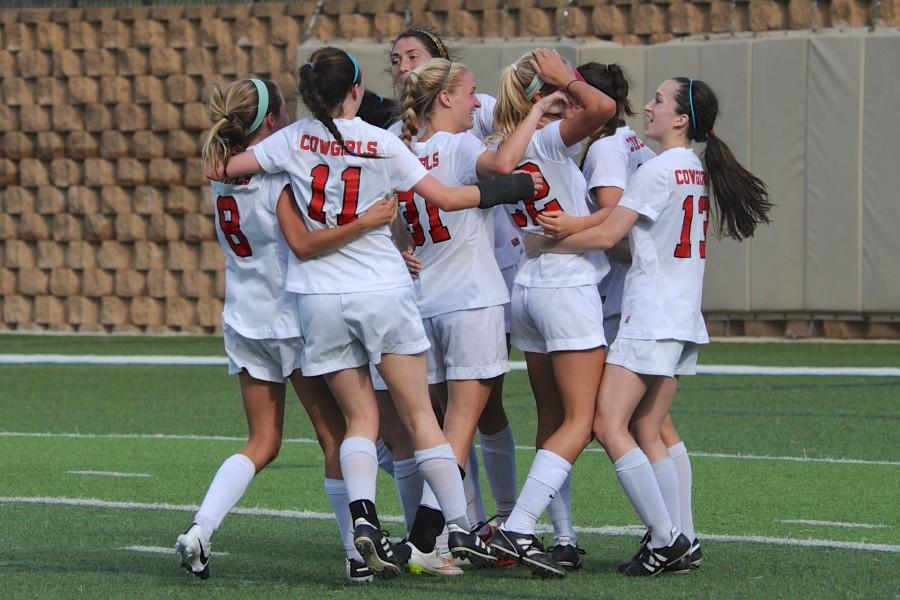
State high school associations are aligning bylaws with college reporting systems, giving prep athletes clear guidelines to protect amateur status.
The Rapid Evolution of Scholastic NIL Regulations
The landscape governing high school student-athletes and Name, Image, and Likeness has matured from fragmented, combative policy stances into a standardized, proactive system across the majority of U.S. states. Where state high school athletic associations once issued blanket bans threatening the eligibility of teenagers signing local endorsements, over three dozen state associations have now enacted progressive regulatory frameworks permitting prep stars to commercialize their personal brands without sacrificing their high school or collegiate amateur status.
This policy evolution has been accelerated by incoming collegiate clearinghouse rules. With the College Sports Commission mandating that incoming freshmen report all contracts valued at $600 or more executed since the start of their junior year, high school athletic directors and state governing bodies have recognized that pretending high school NIL does not exist actively harms student-athletes upon collegiate arrival. Clear state-level handbooks, standard contract disclosures, and eligibility safeguards are now the industry baseline.
Navigating the Critical Red Lines in Prep Deals
While state associations have increasingly opened doors for high school student-athletes, strict prohibitions remain enforced across virtually every jurisdiction. High school athletes, their parents, and prospective commercial partners must navigate strict regulatory boundaries to maintain state eligibility:
- Prohibition of School Intellectual Property: Under no circumstances can a high school athlete wear their school jersey, feature institutional logos, film commercial content on campus grounds, or refer to school-specific championships without express, formal district licensing approvals.
- Absolute Ban on Inducements: NIL agreements cannot be contingent upon an athlete enrolling at, remaining at, or transferring to a specific high school or collegiate program. Contracts linking pay to athletic metrics—such as points scored, tournament championships, or MVP awards—are immediately voided and trigger penalties.
- Restricted Industry Sectors: State bylaws universally bar minors from endorsing adult-oriented industries, including gambling, casinos, cannabis, vaping, alcohol, prescription pharmaceuticals, and weapon manufacturers.
Violations of these bright-line rules risk not only the immediate forfeiture of the individual's high school eligibility and postseason honors, but can also trigger retroactive compliance reviews when the student applies for collegiate certification.
The Role of Parental Oversight and Financial Protection
Because high school athletes are minors, the legal and financial burden of NIL execution falls squarely on parents and legal guardians. In almost every state, contracts signed solely by minors are legally voidable, requiring parental co-signatures. This reality places a premium on parental financial literacy.
Key areas where families require immediate education include:
- Kiddie Tax Rules: Significant unearned income generated by minor children can trigger federal 'kiddie tax' provisions, taxing earnings at the parents' marginal tax bracket rather than the child's lower rate.
- Filing Business Taxes: Teenagers earning independent contractor income on Form 1099 must file quarterly estimated taxes, pay self-employment taxes (covering Social Security and Medicare), and manage detailed business deductions for gear, travel, and production.
- Need-Based Financial Aid Risks: Substantial earnings earned by high school seniors can inadvertently disqualify families from federal need-based college financial assistance programs, including Pell Grants and state institutional aid packages.
Preparing for the Division I Clearance Process
To ensure a seamless transition from high school to college, families are adopting professional recordkeeping systems years before signing National Letters of Intent. Sophomores and juniors who begin signing local sponsorship agreements are advised to maintain physical and digital binders containing full executed contracts, exact dates of promotional deliverables, copies of social media posts, and bank receipts reflecting incoming deposits.
When the athlete arrives on campus for their first semester, this paper trail enables them to submit compliant disclosures via NIL Go well inside the mandatory 14-day window. By mastering these compliance protocols early, prep athletes ensure that their commercial success enhances their athletic dreams rather than jeopardizing their futures.

