Senate Passes Protect College Sports Act in Landmark 77-22 Vote
In a massive bipartisan shift, the Senate passed the Protect College Sports Act on September 28, moving the bill to the House and potentially ushering in a new era of federal NIL regulation.
A Legislative Milestone for Collegiate Athletics
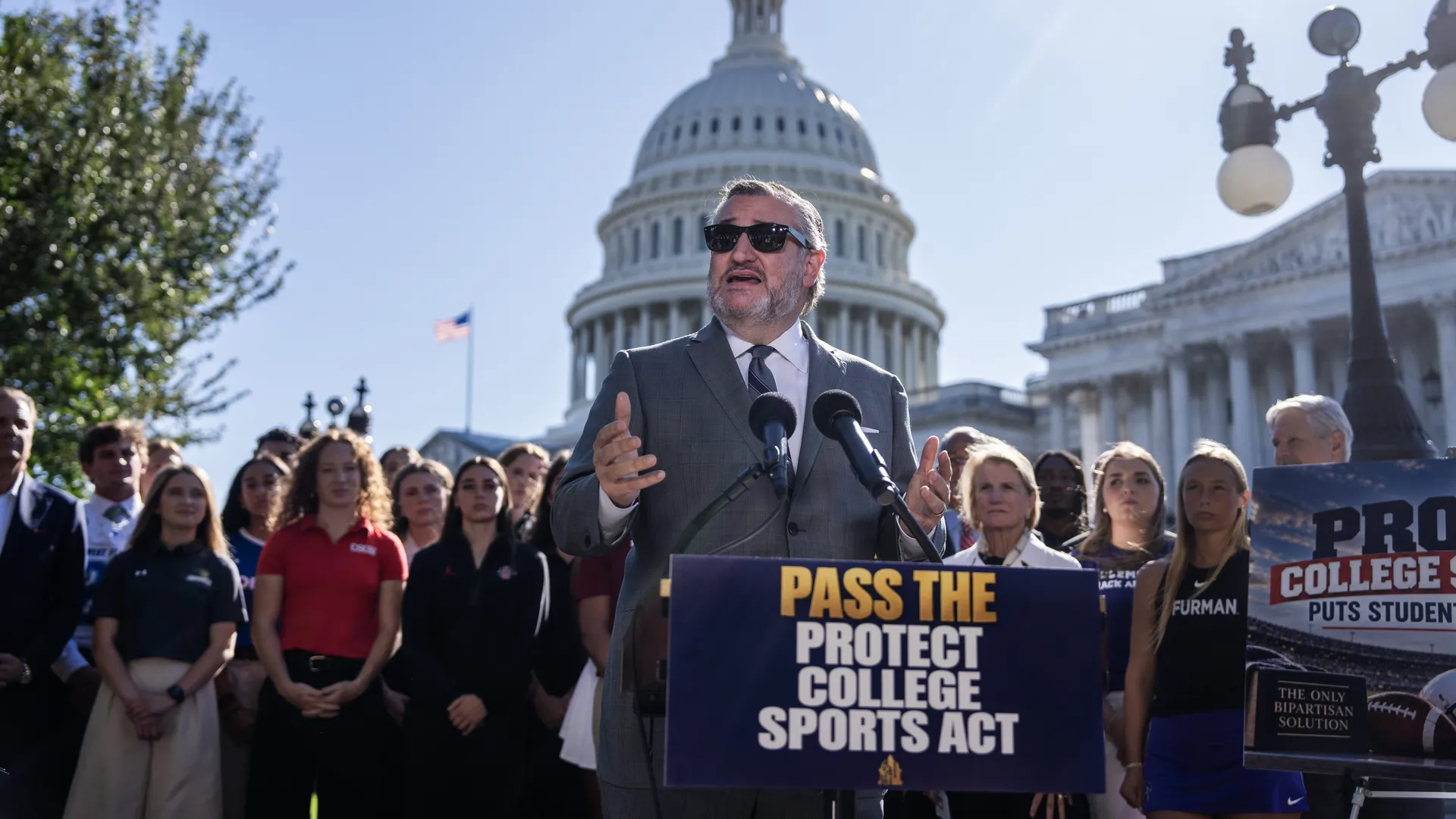
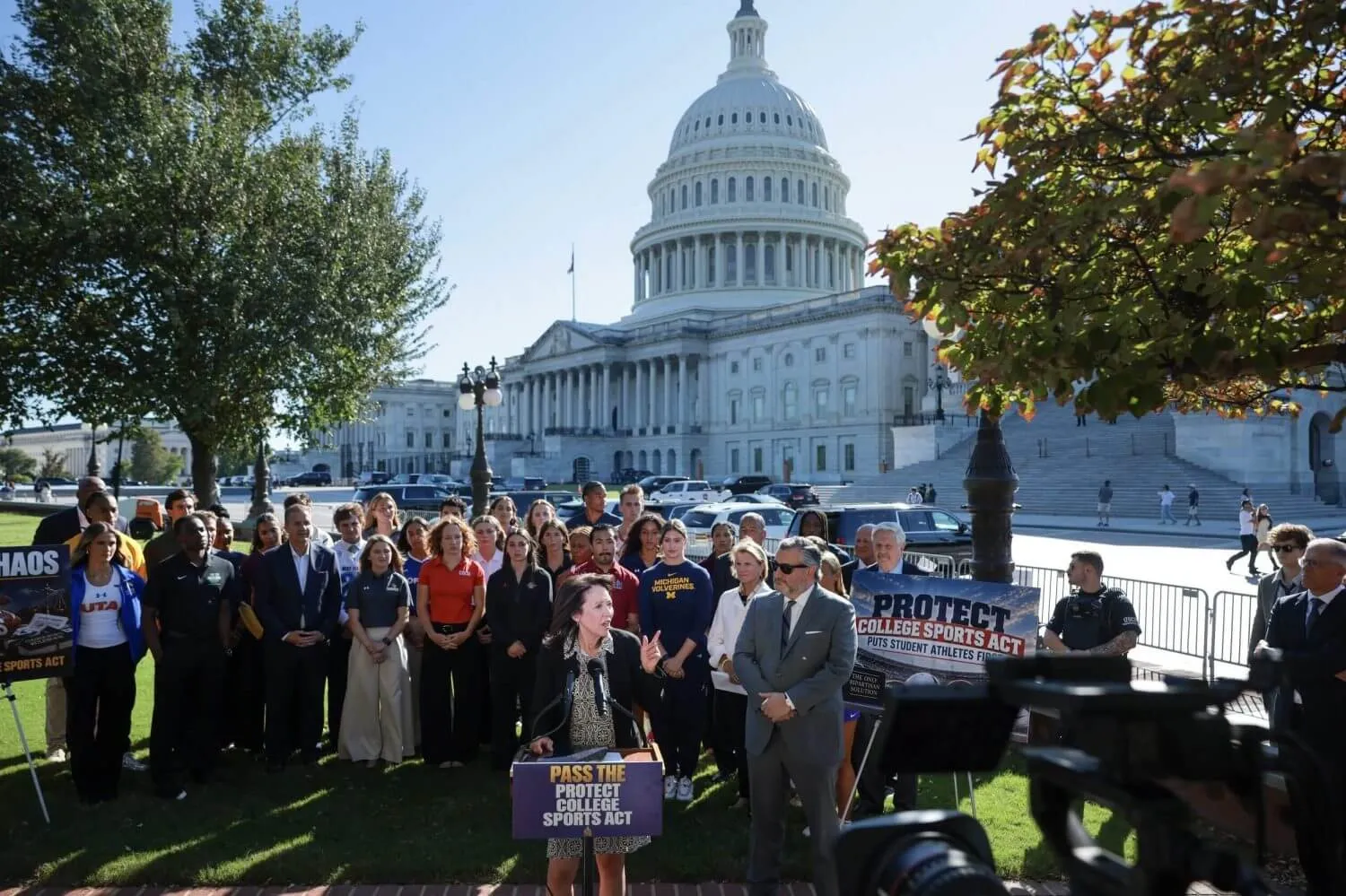
On September 28, 2026, the United States Senate delivered the most significant legislative intervention in the history of American college athletics by passing the Protect College Sports Act (PCSA) with an overwhelming 77-22 bipartisan vote. The bill, co-sponsored by Senators Ted Cruz (R-TX) and Maria Cantwell (D-WA), now moves to the House of Representatives, where it faces intense scrutiny but carries the weight of clear Senate support for a unified federal approach to the collegiate landscape.
Codifying the House v. NCAA Settlement
The PCSA seeks to stabilize the volatile NIL and transfer portal environment by codifying the framework established by the 2025 House v. NCAA settlement while providing the NCAA with long-awaited antitrust protection for its regulatory activities. Key provisions include raising the direct revenue-sharing cap—currently set at roughly $21 million per school—to approximately $48.8 million, with the additional funds explicitly designated as a retention pool aimed at roster stability.
Federal Oversight of Athlete-Agent Relationships
Beyond compensation, the bill proposes sweeping changes to athlete-agent relationships. Under the PCSA, agents would be subject to strict federal oversight, including a 5% cap on fees for endorsement contracts and mandatory registration in a publicly searchable federal database. By preempting the current patchwork of 50 disparate state NIL laws, the act aims to create a uniform floor for competition and eligibility.
Implications for Student-Athletes
For student-athletes, the implications are profound. While the bill preserves the right to earn NIL compensation and share in athletic revenues, it subjects those arrangements to heightened scrutiny by the NCAA and a newly emboldened College Sports Commission. Stakeholders are now turning their attention to the House, where action is expected following the upcoming midterm elections.